All Categories
Featured
Scaling the UK Talent Pool for 2026
Table of Contents
Many reward growth as a marketing duty, when in reality it's a profits duty. And almost everybody, at some point, errors speed for insight. Development marketing is for scaling without mayhem. It's controlled, intentional, curious, and consistent. Leaders who internalize this see far better results. Growth marketing may have been born in the startup world, but mid-market companies are where it's evolving and where its potential is greatest.
They're discovering that development marketing isn't a method or a buzzword. Due to the fact that growth substances. And the earlier a mid-market business accepts it, the faster and smarter they scale.
Development techniques are plans and actions that companies carry out to expand and increase their market share, earnings, or success with time. These techniques vary depending on the company's size, objectives, industry, and market conditions, but they all focus on fostering sustainable advancement. Key development strategies include:: Expanding market share by selling more of the existing product and services in the current market.
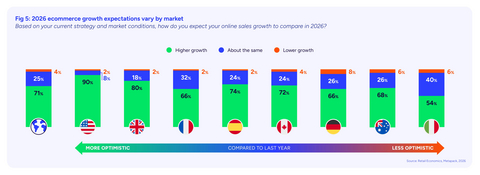
Comparing UK with Global Growth Reports in 2026
: Innovating or improving services and products to fulfill evolving customer needs or attract new segments.: Launching brand-new items or getting in completely new markets to decrease reliance on present offerings.: Combining with or getting other companies, or forming partnerships, to accelerate growth or gain access to brand-new technologies or markets.
By carefully picking and executing the ideal method, companies can cultivate long-lasting success and stay competitive in an ever-changing environment.
How Net Zero Methods Can Drastically Reduce Energy ExpensesA vital component of channel success is identifying the perfect client and partner profiles. Comprehending target customer habits, such as purchase choices and service expectations, for mid-market business helps define the best-fit channel partners. By thoroughly examining how clients engage with solutionsdirectly with the company or through intermediaries like integrators and Managed Service Providers (MSPs)mid-market services can align their channel success strategy to serve these requirements much better.
By leveraging client analytics, mid-market companies can assess characteristics and habits that show potential partner compatibility. Business could evaluate customer pain points and look for partners whose offerings attend to these requirements, supplying a "complete" solution for end-users. This ensures that each partner is aligned with consumer expectations and can boost the brand name's reputation through exceptional service shipment.
How Net Zero Methods Can Drastically Reduce Energy ExpensesWhy AI and Digital Strategy Empowers Corporate Growth
For this factor, it's important to comprehend each partner's role within the value chain and choose those who can deliver the high levels of flexibility and client support that mid-market customers anticipate. Such a method assists mid-market companies strengthen client relationships and support brand loyalty, enhancing the likelihood of repeat organization and channel success.
Unlike end-customer marketing, a channel partner worth proposition should stress how a company's services or products enhance the partner's portfolio, developing shared advantages. For mid-market companies, this means focusing on completion solution and highlighting how the partnership drives success, market distinction, and ease of adoption for the partner. Rewards are a powerful lever in channel partner attraction and retention.
Furthermore, mid-market companies can use customized co-marketing funds or sales enablement tools to assist partners stand apart in competitive markets. This targeted support demonstrates a company's dedication to channel success and can deepen the engagement by encouraging partners to invest in constructing a robust relationship. It's vital to acknowledge the competitive landscape in the mid-market and offer a partner value proposition that aligns with progressing market demands.
The objective is to develop an unique worth proposition that resonates with the partner's service design and client base, reinforcing the channel ecosystem through a highly engaged and devoted partner network. Effective partner enablement starts with a structured onboarding program that gears up partners with the understanding and tools they need for channel success product representation.
Mid-market business should supply clear, available training resources covering all aspects of the item's features, advantages, and distinct selling points to foster confidence and item knowledge. In addition to onboarding, constant knowing opportunities are essential for continual channel success. Mid-market business need to update training products and offer ongoing workshops or webinars as items progress.
Mastering UK Mid-Cap Growth Models in 2026
By buying long-term partner development, companies strengthen their channel technique and foster a collective environment that drives mutual success. Setting performance metrics and maintaining regular communication with partners is crucial for determining the success of enablement programs. Performance metrics offer insights into how effectively partners engage customers and promote the business's channel success items.
This structured method enhances the partner experience and reinforces the channel's effectiveness, developing a structure for scalable growth. In a subscription-based model, customer success is essential for mid-market business intending to construct continual revenue streams. By embedding client success into the channel success structure, companies develop a strong foundation for long-lasting engagement.

Latest Posts

How AI-Driven Transformation Accelerates Mid-Market Output
Sustainable Mandates and Ethical Supply Networks Shaping Strategy
Top Banking Trends for Mid-Market Growth